
Honeywell’s 2026 AI Launch Puts Legacy DCS Modernization Back in the Spotlight
On March 19, 2026, Honeywell announced the commercial launch of Experion Operations Assistant, an AI-powered control-room solution that combines historical process data with real-time operating information. During pilot applications, the system reportedly identified developing alarm situations approximately five to ten minutes before the alarms would otherwise have occurred. Chevron and TotalEnergies were among the pilot participants. Honeywell’s announcement reflects a broader industry shift toward predictive operations, better alarm handling and preservation of site-specific operating knowledge.
For plants still running Honeywell TDC 3000 or TotalPlant Solution infrastructure, how can advanced analytics be introduced without placing proven process-control assets at unnecessary risk?
The answer is usually a staged modernization program. AI does not cancel the need for a working backpanel, a stable Universal Control Network or a correctly matched analog input processor. Before a refinery can predict a compressor upset, its pressure, temperature and flow signals must still pass reliably through field termination assemblies, I/O processors, controllers and control networks.
Honeywell’s own modernization strategy supports incremental migration. Experion LCN is designed to integrate established LCN-based systems with Experion PKS while protecting existing control intellectual property. This allows operators to modernize stations, servers, network infrastructure and controllers in planned stages rather than forcing a single high-risk shutdown.
How the TDC 3000 Architecture Supports Continuous Process Plants
Honeywell TDC 3000 is a distributed control system rather than a conventional machine PLC. It was engineered around plantwide process supervision, regulatory control, alarm management and distributed field I/O.Where is your fault or replacement question?
Choose one stage below. Its technical role and purchasing checks will appear in the single panel underneath.
Operator and application-level access to process displays, alarms and operating information.
Station type, system release, node identity, graphics and database backups.
The Local Control Network connects operator and application-level nodes.
A/B network identity, cable interface, node configuration and hardware generation.
The Network Interface Module connects the LCN to the Universal Control Network.
Complete model, board-stack revision, connectors and installed node configuration.
The Universal Control Network links the controller layer with higher-level system communication.
Interface hardware, network side, redundancy, cable type and system release.
Process Manager controller families execute regulatory and sequential control strategies.
Controller model, hardware revision, firmware or release, checkpoint files and redundancy.
Processes analog, digital, pulse or serial field signals for the controller.
Signal type, exact IOP model, suffix, coating option and paired FTA.
Provides the field termination interface between plant wiring and the I/O processor.
Channel count, terminal style, mounting size, cable and HART requirement.
Measurement and final-control devices provide the real process signal or action.
Signal standard, wiring, loop power, measurement range and termination assignment.
The stages form one configured signal path. A similar part number at one layer does not prove compatibility with the rest of the installed system.
Honeywell’s current training catalog still covers LCN, UCN, NIM and HPM maintenance. It also describes how TPS installations can be integrated into newer Experion LCN environments. That continuing migration path is an important Honeywell brand advantage: plants can preserve control strategies, operating knowledge and field wiring while replacing selected infrastructure.
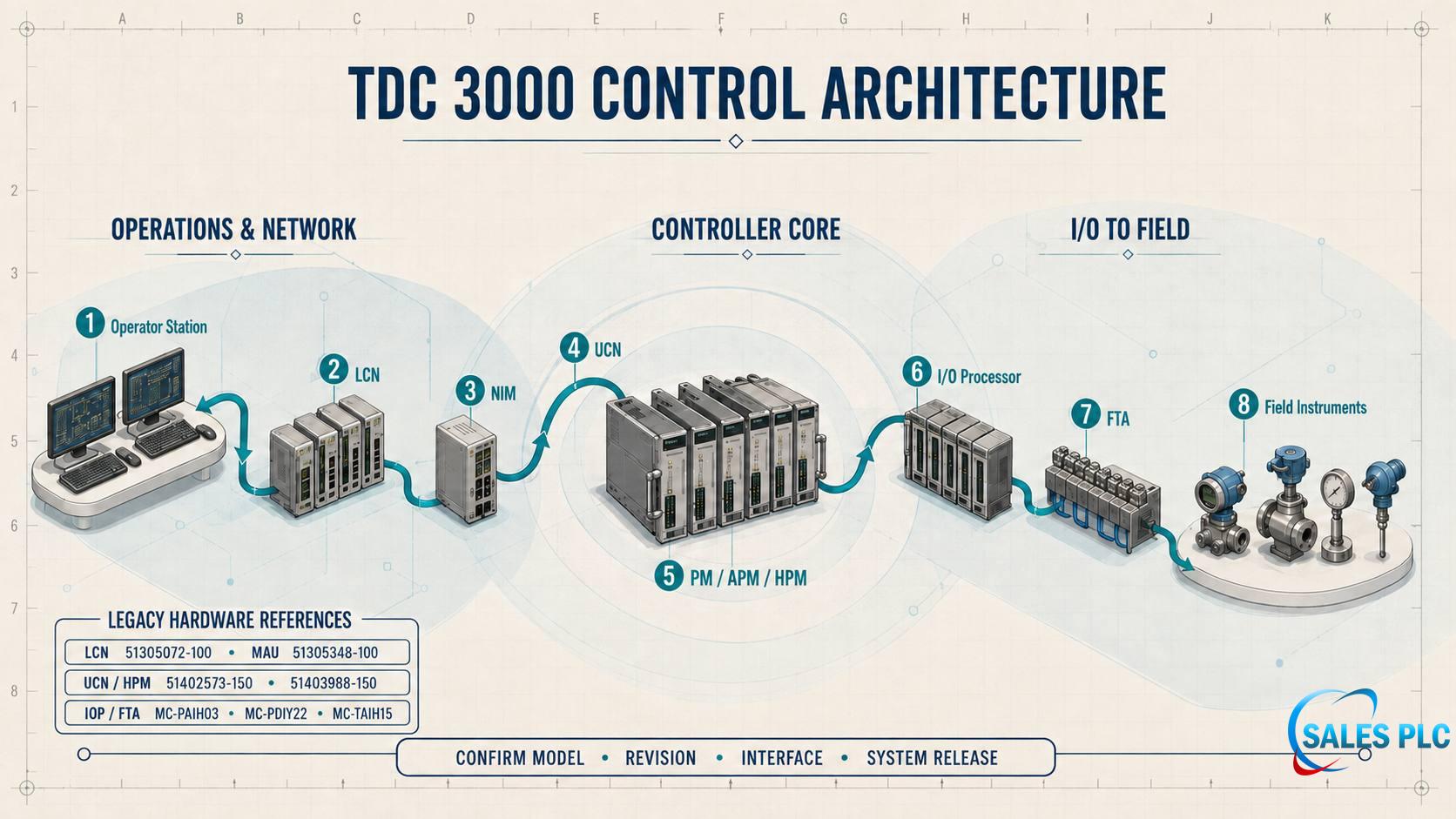
TDC 3000 maintenance should therefore be approached by subsystem:
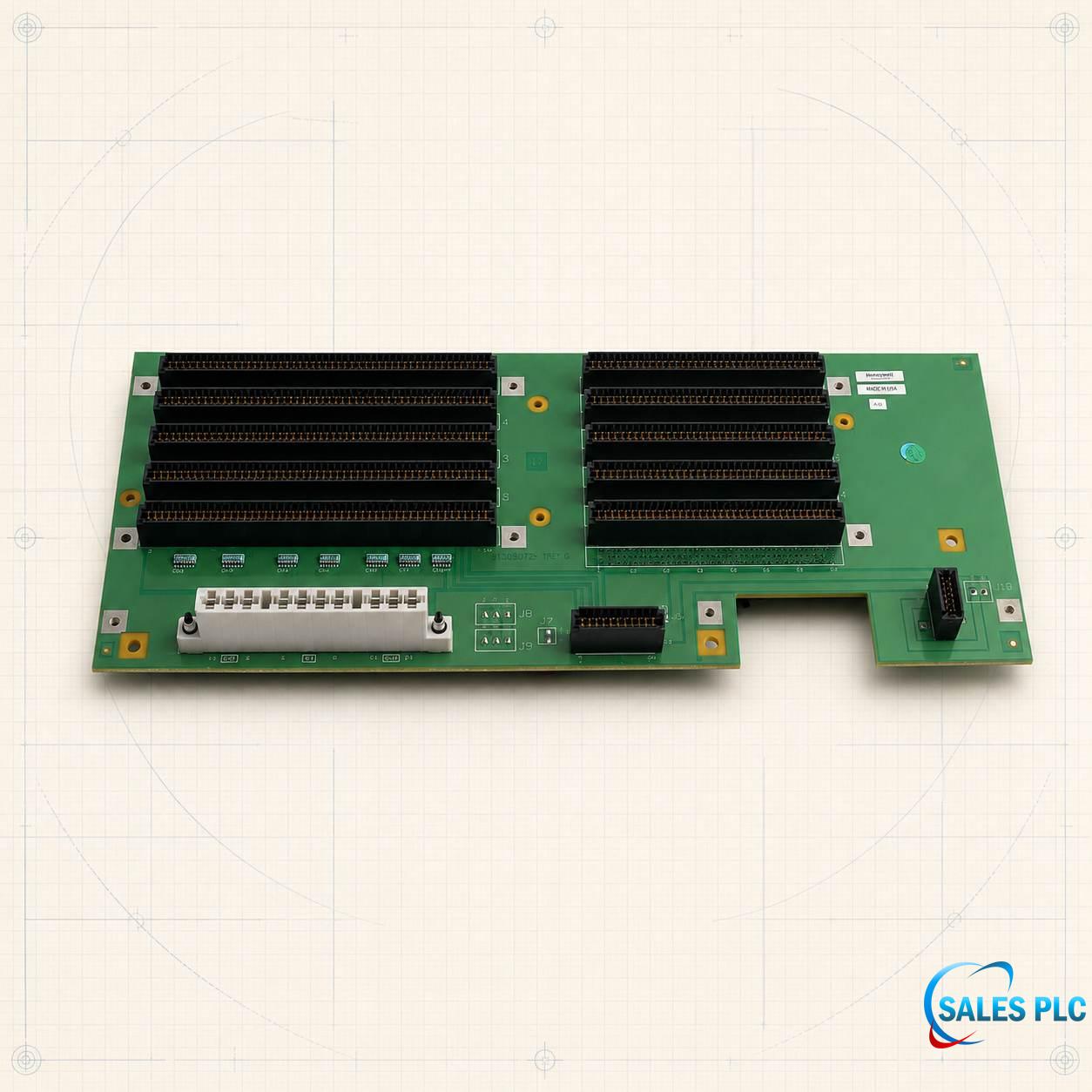 01
Chassis infrastructure
Hardware: Backpanels, card files and connectors
Confirm: Slot count, physical alignment, connector condition and board revision
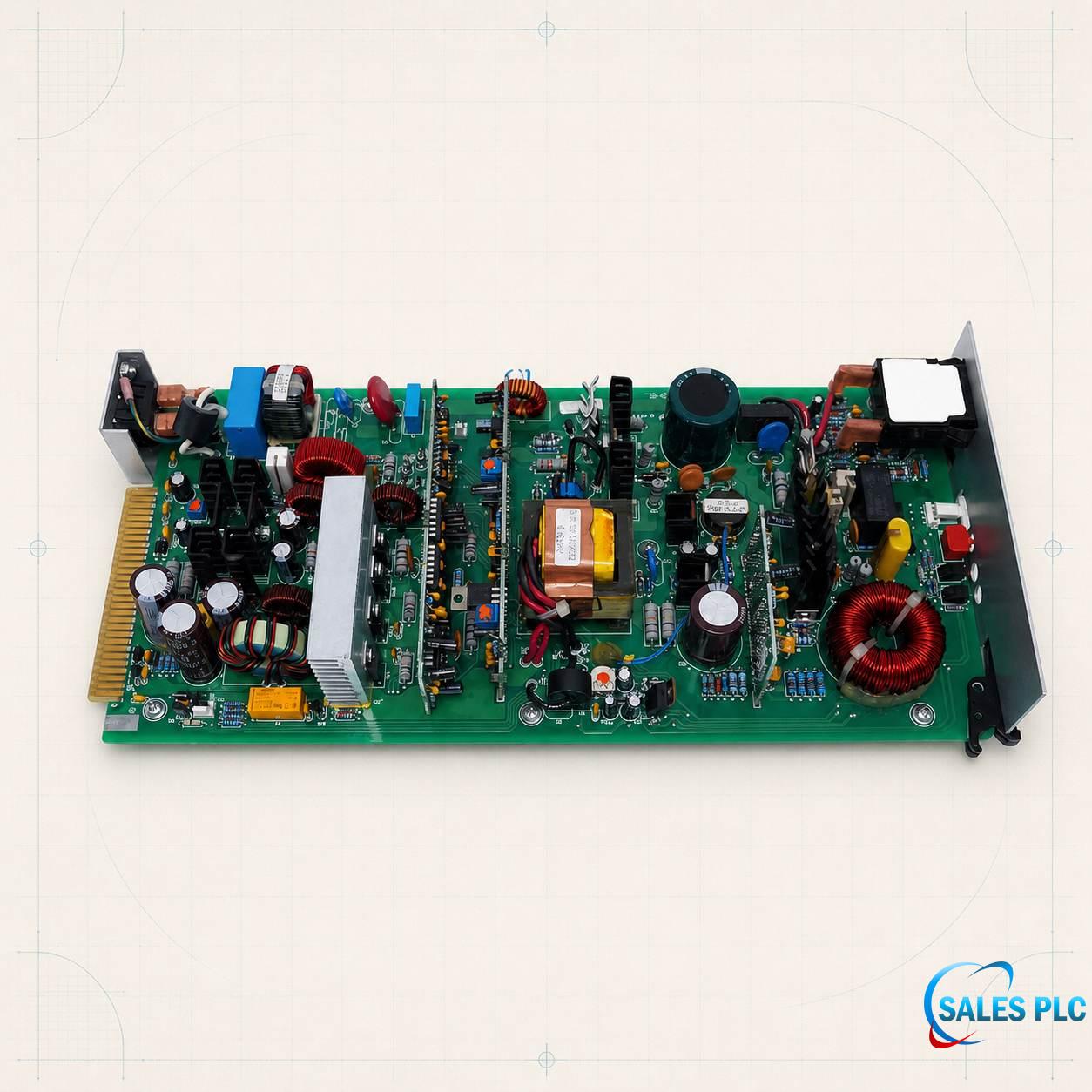 02
Power system
Hardware: Five-slot and dual-node power supplies
Confirm: Input configuration, output stability, redundancy and replacement-kit requirements
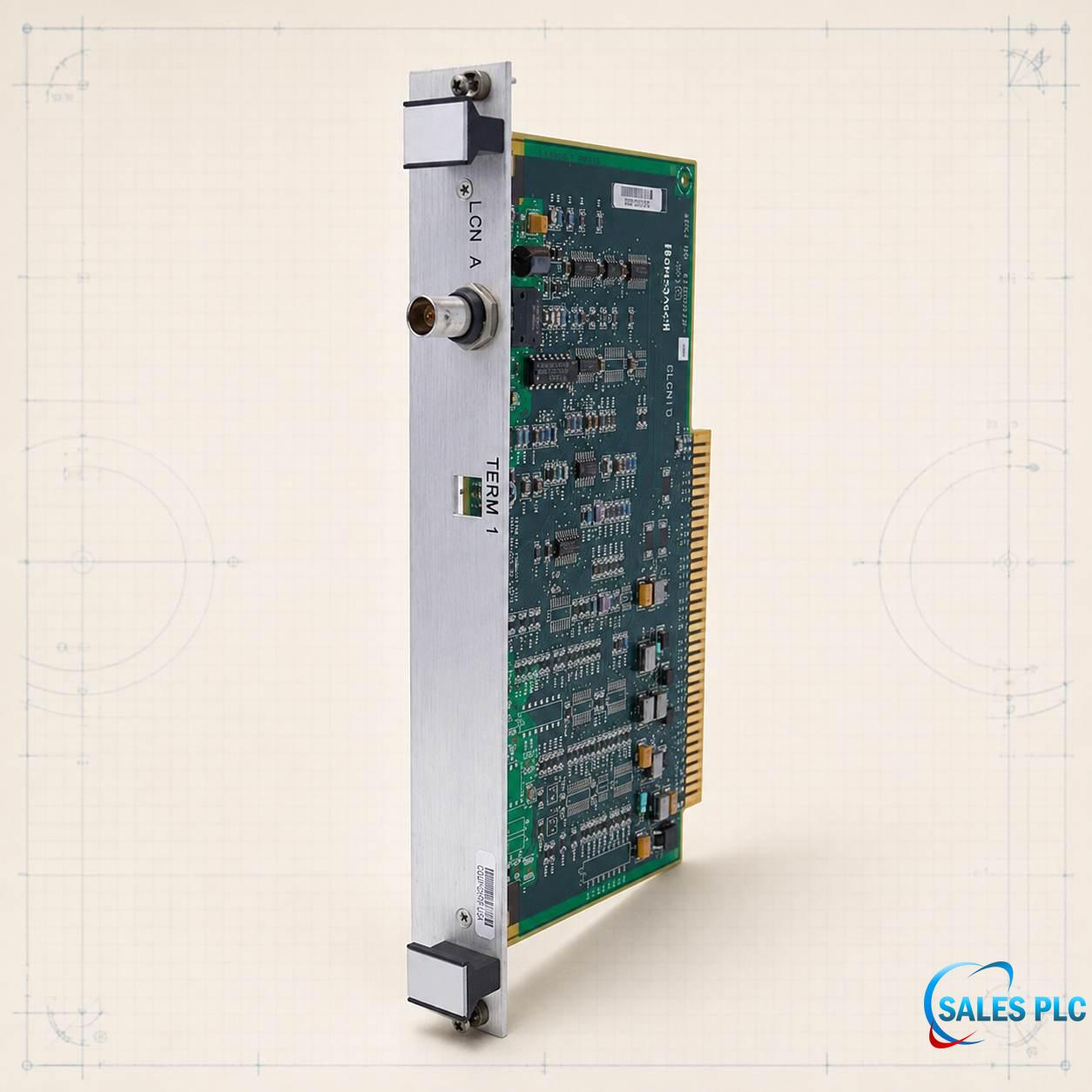 03
LCN infrastructure
Hardware: CLCN boards, Media Access Units and network cables
Confirm: A/B network identity, node configuration, cable type and hardware generation
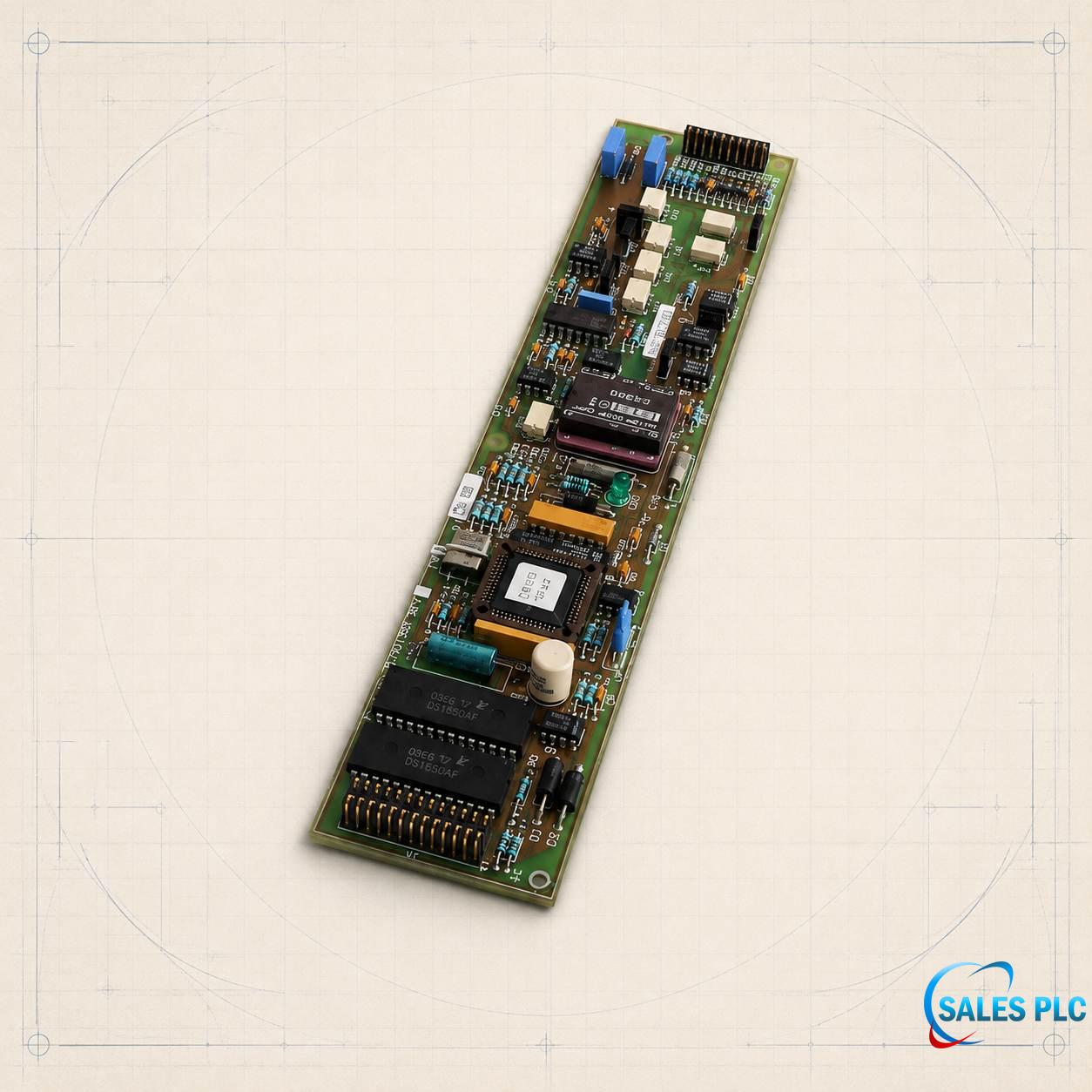 04
UCN infrastructure
Hardware: NIM hardware, UCN interface boards and daughter boards
Confirm: Parent-board compatibility, board-stack revision and network configuration
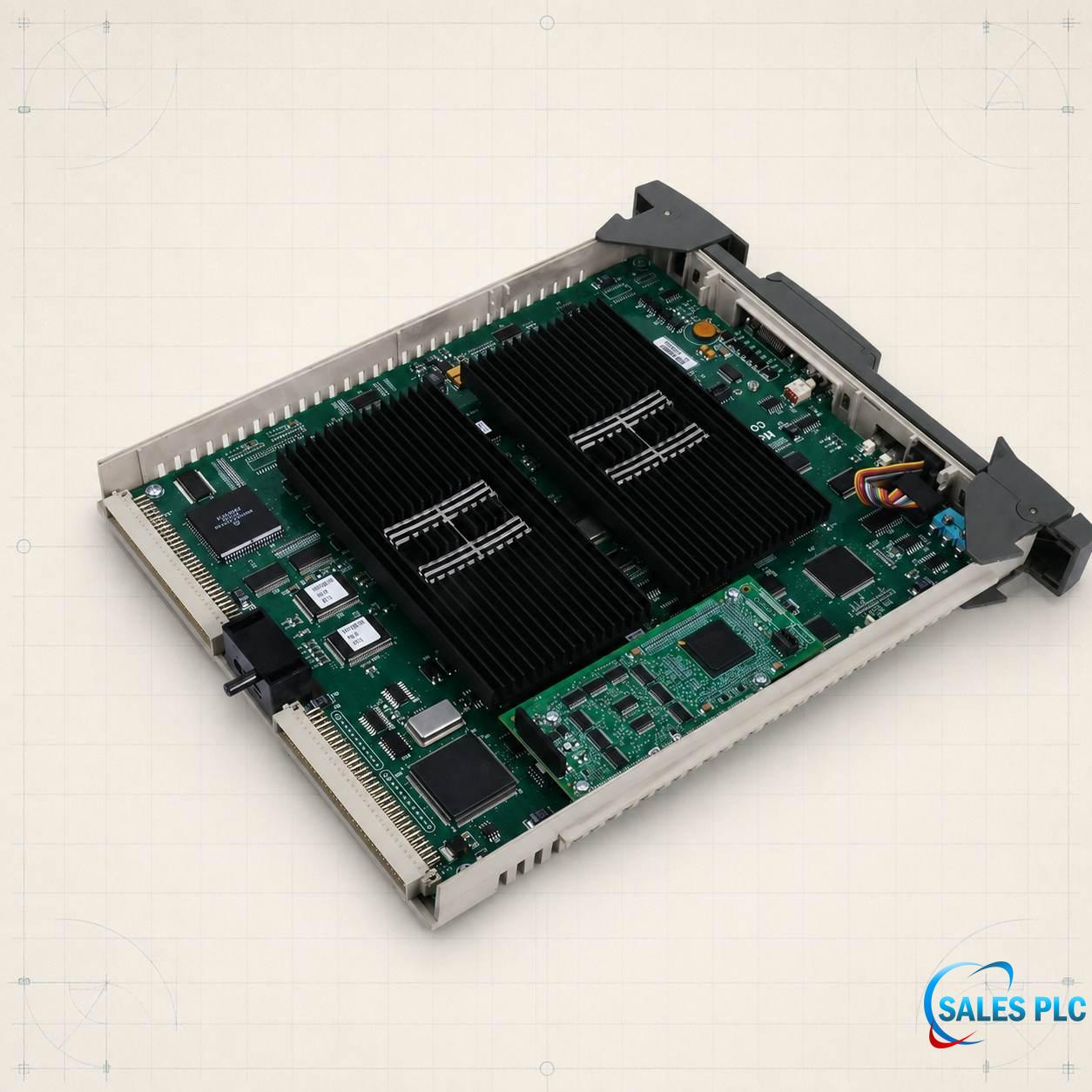 05
Controller layer
Hardware: PM, APM and HPM assemblies
Confirm: Checkpoint files, control database, firmware and redundancy arrangement
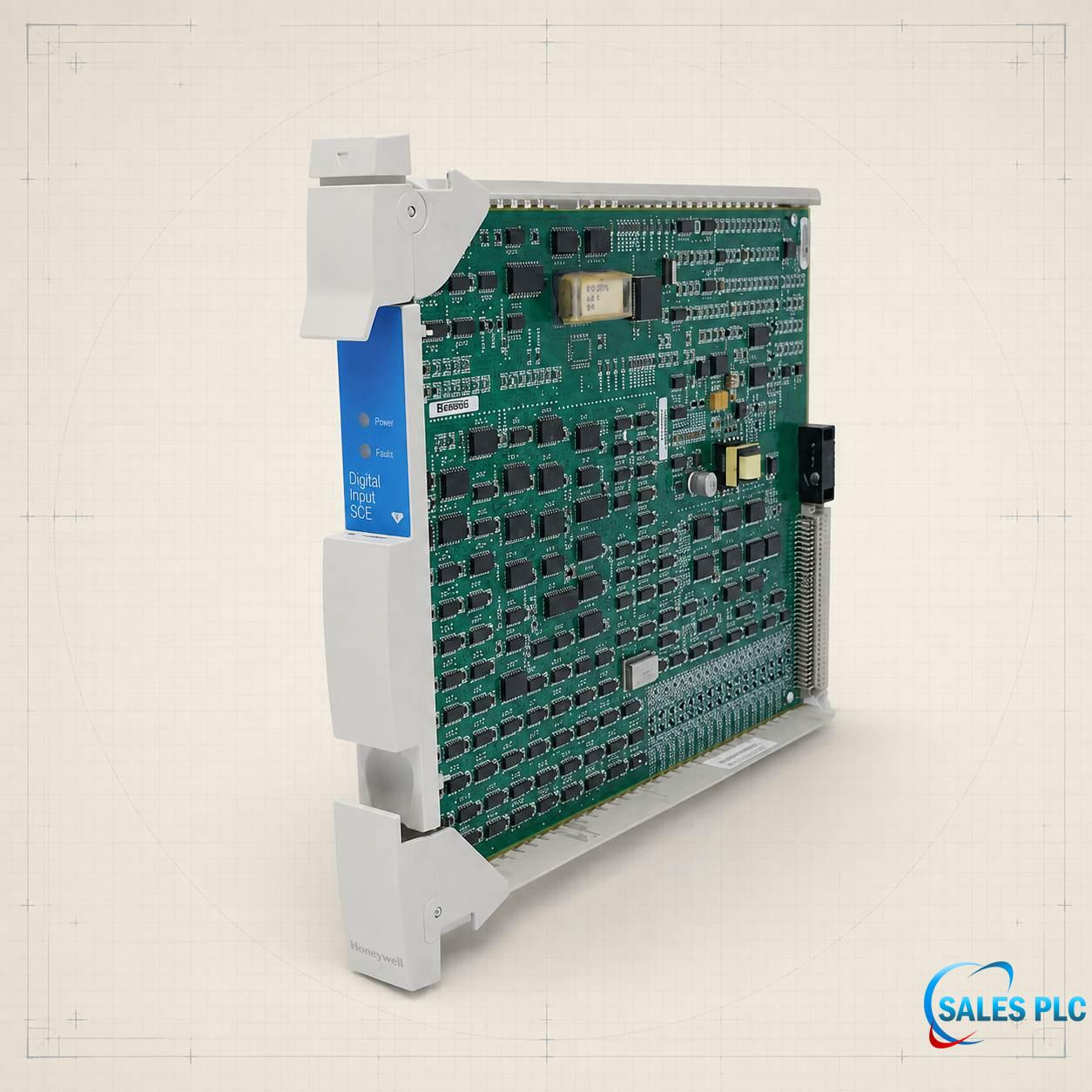 06
I/O processing
Hardware: Analog, digital, pulse and serial I/O processors
Confirm: Signal type, IOP model, coating, suffix and paired FTA
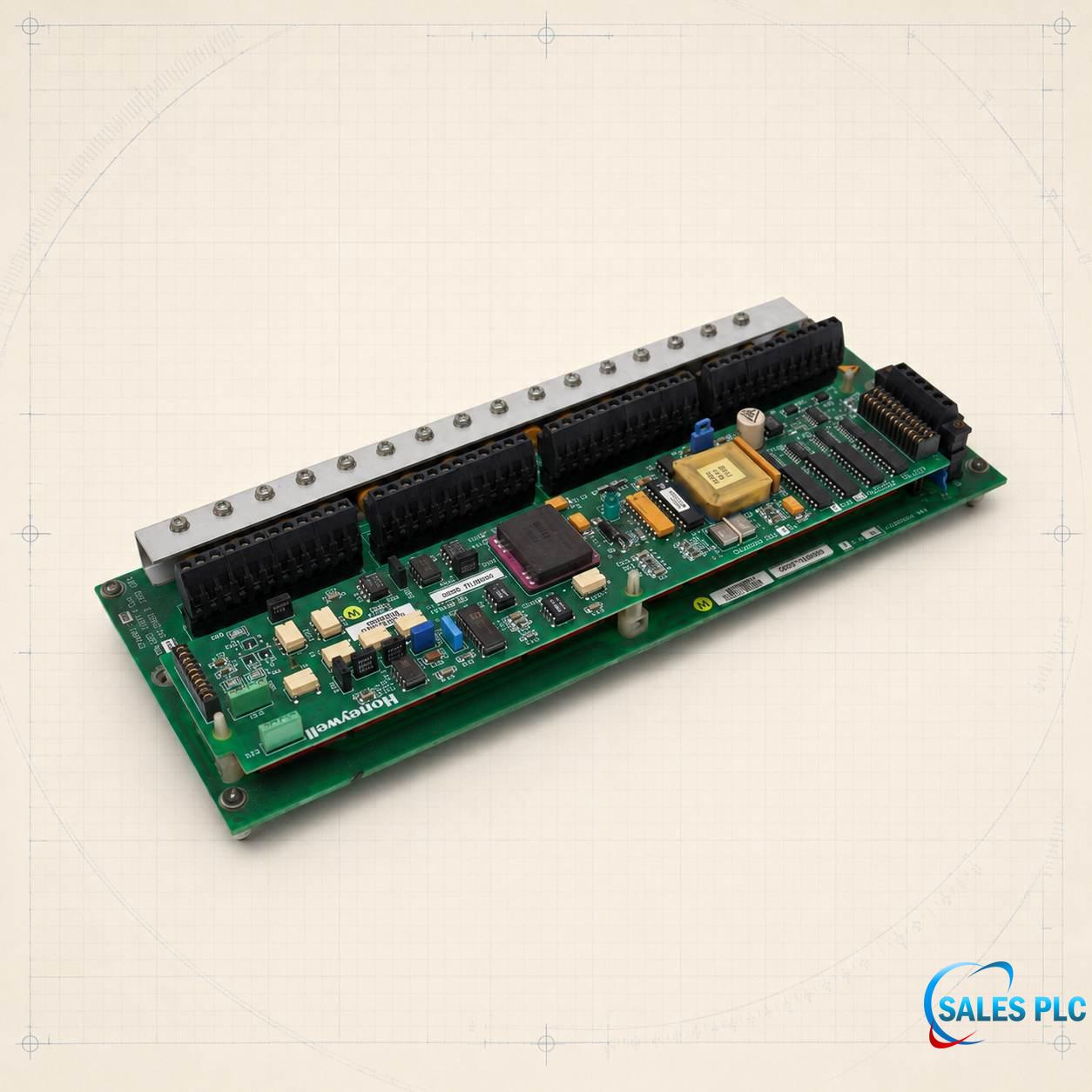 07
Field termination
Hardware: HLAI, RTD, digital and output FTAs
Confirm: Channel count, terminal style, mounting size, HART capability and cable compatibility
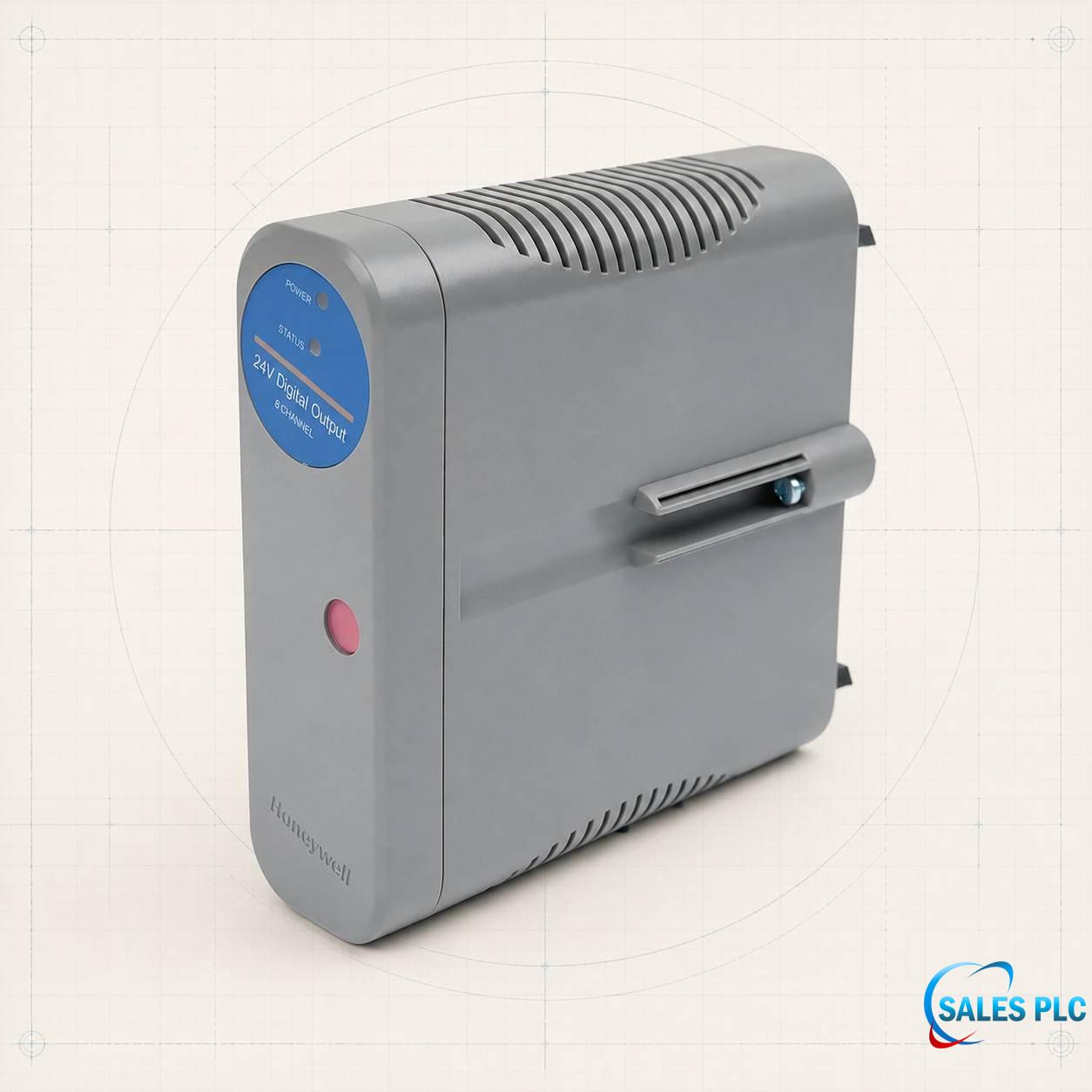 08
Stations & servers
Hardware: Operator stations, servers and storage infrastructure
Confirm: System release, network interfaces, backups and migration-stage dependencies
A similar front-panel label does not prove interchangeability. The complete model, Honeywell part number, suffix, hardware revision, conformal-coating option and system release all matter.
The MC prefix on several Honeywell modules identifies conformally coated hardware. This distinction can be important in refineries, chemical plants, pulp mills and coastal facilities where humidity, sulfur compounds or other atmospheric contaminants increase the risk of circuit-board corrosion.
Where TDC 3000 Systems Still Perform Critical Work
TDC 3000 installations remain relevant because the processes they control have long asset lives. A distillation column, recovery boiler or steam system may remain in service through several generations of workstation and server technology.
Typical applications
Oil refineries
Crude and vacuum distillation, hydroprocessing, catalytic cracking auxiliaries, furnaces, tank farms and utility systems.
Petrochemical plants
Reactor temperature control, compressor auxiliaries, fractionation, blending and feed preparation.
Chemical factories
Batch sequencing, ratio control, reactor pressure, pH control, dosing and heat-exchanger networks.
Oil and gas facilities
Gas treatment, dehydration, compression, separation and pipeline-support utilities.
LNG plants
Refrigeration auxiliaries, boil-off gas handling, storage and loading systems.
Power stations
Boiler combustion, feedwater, steam-cycle auxiliaries and balance-of-plant control.
Pulp and paper mills
Digesters, chemical recovery, stock preparation, dryers and utility boilers.
Mining and mineral processing
Crushing auxiliaries, flotation, thickening, slurry handling and reagent dosing.
What a single failure can affect
Analog input failure
Can remove a pressure, temperature, level or flow measurement from an operator’s display.
Digital input processor failure
Can affect equipment status, permissives or sequence feedback.
Weak power supply
Can create intermittent faults across several cards and may be more difficult to diagnose than a completely failed module.
The replacement strategy should consider process consequence, not simply the module’s purchase price. For example, a redundant node power supply deserves a different stocking policy from a chassis filler panel. A failed CLCN interface or UCN assembly can affect a wider section of the plant than a single field channel.
Cybersecurity and disciplined modernization
Cybersecurity is another reason for disciplined modernization. It is not evidence that a particular TDC 3000 module is vulnerable. It does mean legacy control equipment should remain segmented and should not be exposed directly to the internet. CISA’s industrial exposure guidance recommends removing unnecessary internet exposure, replacing unsupported devices where practical, using monitored jump hosts, controlling remote access and applying multifactor authentication where the architecture supports it.
Honeywell TDC 3000 Modules to Prioritize for Maintenance
The following Honeywell automation parts are listed in the Sales PLC Auto catalog. Each product description includes the brand, model and functional role required for a clear quotation.
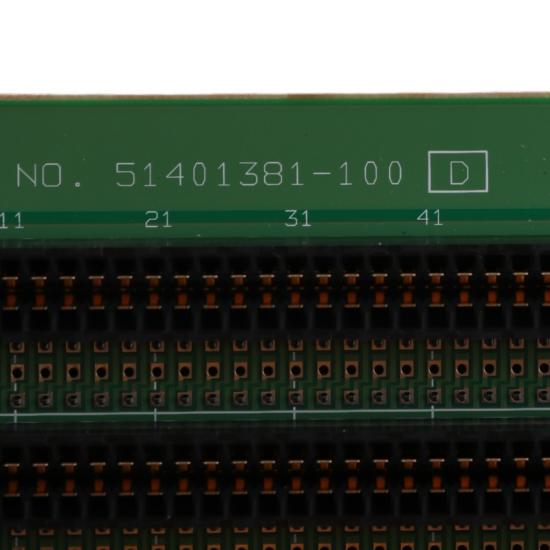
Honeywell 51401381-100 TDC 3000 Five-Slot Backpanel
Provides five module positions and backplane power/signal paths.
Verify: Slot format, connectors, mounting and assembly revision.
View product →
Honeywell 51196653-100 Five-Slot Module Power Supply
Supports a five-slot node chassis.
Verify: AC input arrangement, chassis connector, hardware revision and replacement-kit requirements.
View product →
Honeywell MC-PDIY22 80363972-150 Digital Input IOP
Conformally coated HPM digital input processor.
Verify: Exact IOP type, suffix, paired FTA and field voltage.
View product →
Honeywell MC-PAIH03 51304754-150 High-Level Analog Input IOP
Conformally coated HLAI processor for HPM I/O.
Verify: Transmitter signal type, HART requirements, FTA and I/O cable.
View product →
Honeywell MC-TAIH15 51305863-175 HLAI HART Field Termination Assembly
Sixteen-channel, compression-terminal, size-B FTA.
Verify: HLAI/HART application, cable and cabinet mounting.
View product →
Honeywell MC-TAMR03 51309218-175 LLMux RTD Field Termination Assembly
Sixteen-channel, compression-terminal, size-B RTD FTA.
Verify: RTD architecture, multiplexer hardware and sensor wiring.
View product →A good spare-parts plan should not stock ten identical low-consequence cards while leaving the plant without a critical power supply, network board or FTA. Rank each item by installed quantity, failure history, repairability, system redundancy, obtainable lead time and production consequence.
A Procurement Checklist for TDC 3000 Maintenance and Migration
Start with the complete nameplate. “Honeywell analog input card” is not a usable purchasing description. Record the model, part number, suffix, revision and every secondary identification number. Photograph the front label, rear connectors and board-edge markings.
Before releasing an order, engineering and procurement should confirm:
Whether the module belongs to TDC 3000, TPS, PM, APM, HPM, LCN or UCN hardware.
Whether the installed assembly is conformally coated.
Whether the quoted unit has the same CE-compliant or earlier hardware version.
The associated FTA, I/O cable, backpanel, power supply and controller model.
The field signal type, voltage, channel count and terminal arrangement.
Whether the node or network operates in a redundant configuration.
Whether configuration checkpoints, point databases, CL programs, graphics and alarm settings are backed up.
Whether the supplier has tested power rails, communication functions, LEDs and connectors.
Product condition, storage history, packaging, warranty, return terms and dispatch location.
Whether the spare is intended for immediate replacement, warehouse insurance or a defined migration stage.
Although some MRO databases group every controller enquiry under PLC Systems spare parts, TDC 3000 is a DCS platform. Stating that clearly helps an industrial automation parts supplier route the request to personnel familiar with Honeywell LCN, UCN and Process Manager hardware.
The same supplier may also handle Servo Drives parts, HMI displays spare parts, CNC Systems parts, Robotics parts, and Motors and Encoders, but these categories have different compatibility checks. Effective sourcing treats automation and control components as parts of a configured system—not as isolated boards with similar-looking numbers.
Sales PLC Limited operates as an independent supplier of new and surplus automation spare parts and is not an authorized Honeywell distributor. Buyers should request current availability, condition and traceability information before placing an order.
More automation parts to explore
Browse selected Woodward control components and Vibro-Meter machinery-protection parts. Confirm the complete part number and installed-system requirements before purchase.
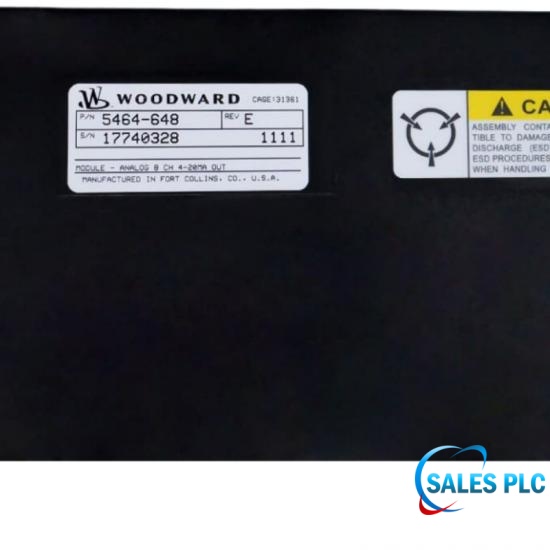
5464-648 8-Channel 4–20 mA Analog Output
MicroNet analog output module. Verify revision, connectors and installed system.
View product →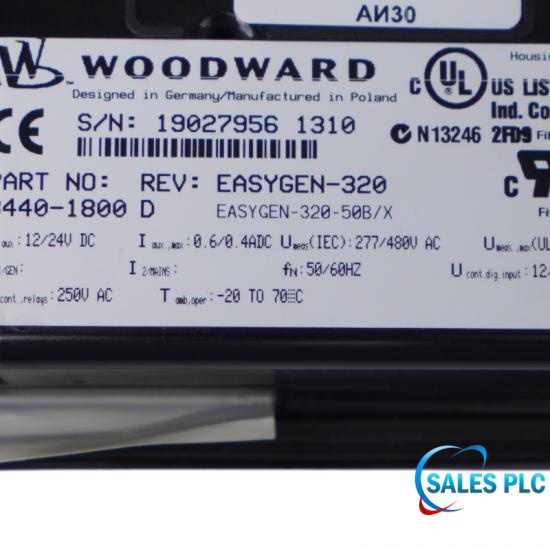
8440-1800 EASYGEN-320-50B/X Controller
Generator-set controller. Verify the complete model, wiring and parameter file.
View product →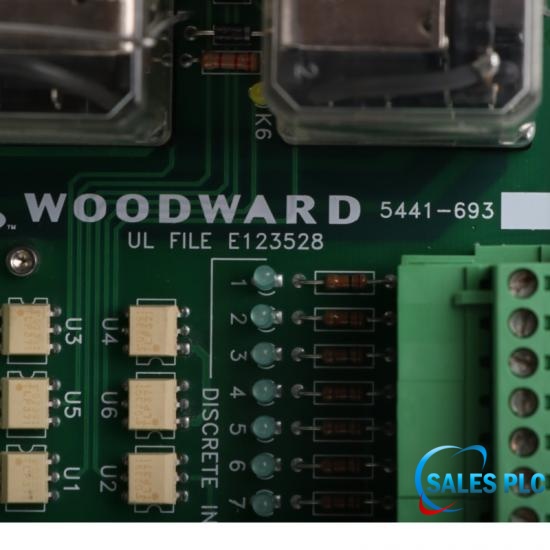
5441-693 High-Density Discrete I/O FTM
MicroNet/505DE termination module. Verify wiring, revision and matched I/O.
View product →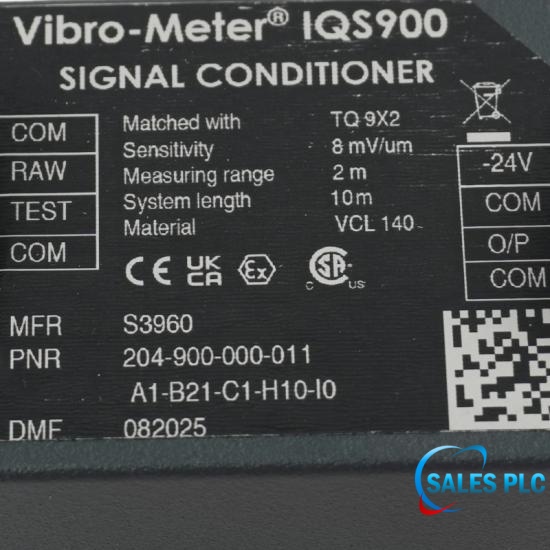
IQS900 204-900-000-011 Signal Conditioner
Proximity measurement-chain conditioner. Verify sensor family and configuration.
View product →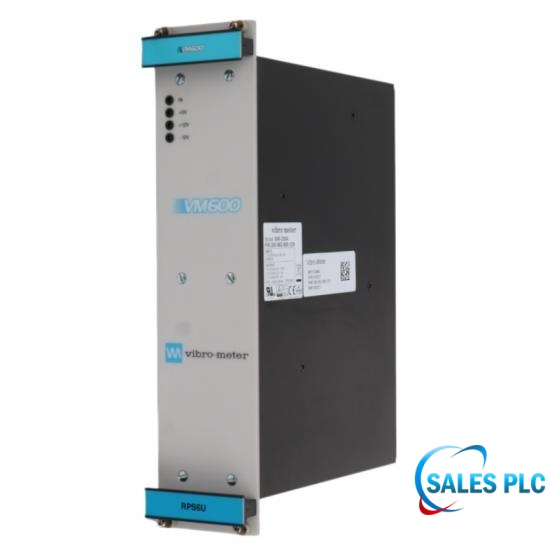
RPS6U 200-582-500-122 Rack Power Supply
VM600 6U rack power supply. Verify input arrangement, revision and redundancy.
View product →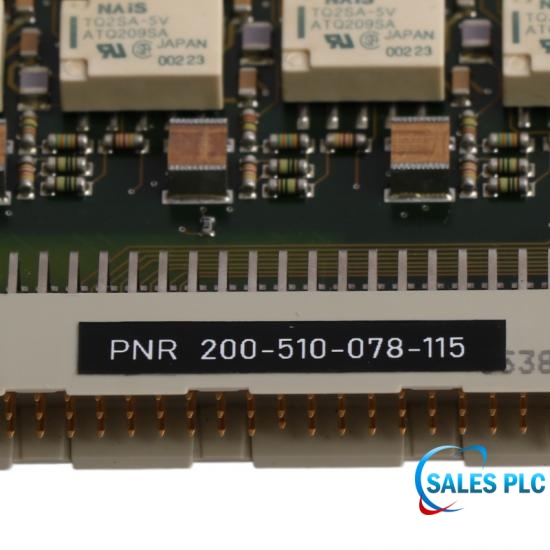
MPC4 200-510-078-115 Protection Card
VM600 machinery-protection card. Verify channel configuration and companion I/O.
View product →



 Network Supported



 32D Guomao Building, No.388, Hubin South Road, Siming District
 +86 18150117685
 sales1@amikon.cn